

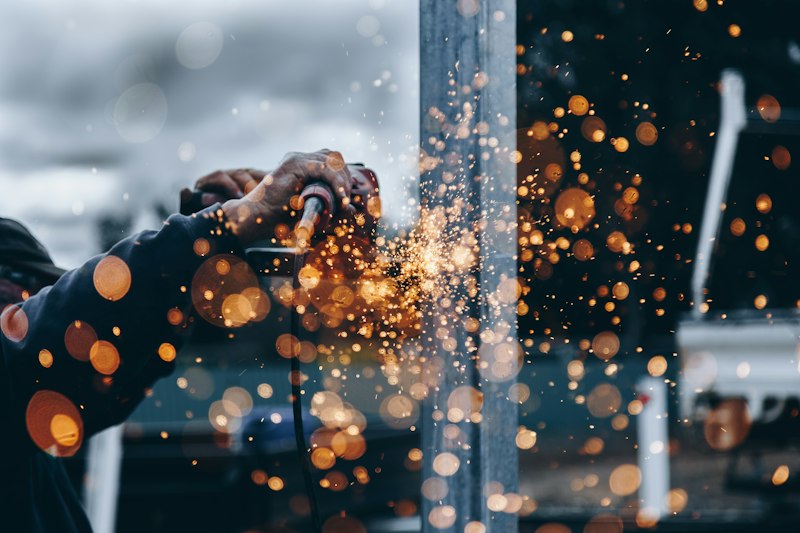
Modern industrial infrastructure utilizing hot-dip galvanized steel components
Introduction
Hot-dip galvanized steel grating represents a cornerstone of modern corrosion-resistant construction materials. This advanced steel product is manufactured by immersing welded steel grating into molten zinc or zinc alloy at temperatures exceeding 450°C (840°F), creating a metallurgical bond that forms a robust protective zinc coating on the steel surface. This process has become the most widely adopted and cost-effective anti-corrosion treatment for steel products globally, accounting for over 80% of all galvanizing applications in modern industry.
What is Hot-Dip Galvanizing?
Hot-dip galvanizing is a metallurgical process where clean steel is immersed in molten zinc, creating multiple layers of zinc-iron alloy and pure zinc coating. This creates a barrier and sacrificial protection that can extend steel service life by 50+ years in most environments.
Technical Principles of Corrosion Protection
The characteristic zinc coating provides superior corrosion resistance
The exceptional corrosion resistance of hot-dip galvanized steel stems from fundamental electrochemical principles. Zinc possesses a more negative standard electrode potential (-0.76V) compared to iron (-0.44V). This electrochemical difference is crucial: in the presence of moisture or humid air, zinc acts as a sacrificial anode, corroding preferentially to protect the underlying steel substrate.
This sacrificial protection mechanism operates through two complementary modes:
- Barrier Protection: The zinc coating physically separates the steel from corrosive environmental elements, preventing direct contact with moisture, oxygen, and other corrosive agents.
- Galvanic Protection: When the coating is scratched or damaged, zinc continues to protect the exposed steel through electrochemical action, preventing rust formation even at damaged areas.
Manufacturing Process and Quality Standards
Modern hot-dip galvanized steel grating is typically manufactured from Q235B or ASTM A36 grade carbon steel flat bars, commonly 40mm wide and 3-5mm thick, with bearing bar spacing of 30mm and cross bars at 50-100mm intervals. The manufacturing process involves several critical steps:
- Surface Preparation: Steel surfaces are thoroughly cleaned through blasting or chemical treatment to remove oil, rust, and contaminants.
- Welding: High-pressure resistance welding robotically joins cross bars to bearing bars, ensuring strong mechanical bonds.
- Galvanizing: Clean steel is immersed in molten zinc at approximately 450°C, forming zinc-iron alloy layers.
- Quality Control: Post-galvanizing inspection ensures minimum zinc coating weight of 460 g/m² (or 610 g/m² for marine applications), complying with standards such as ASTM A123, BS EN 1461, or GB/T13912.
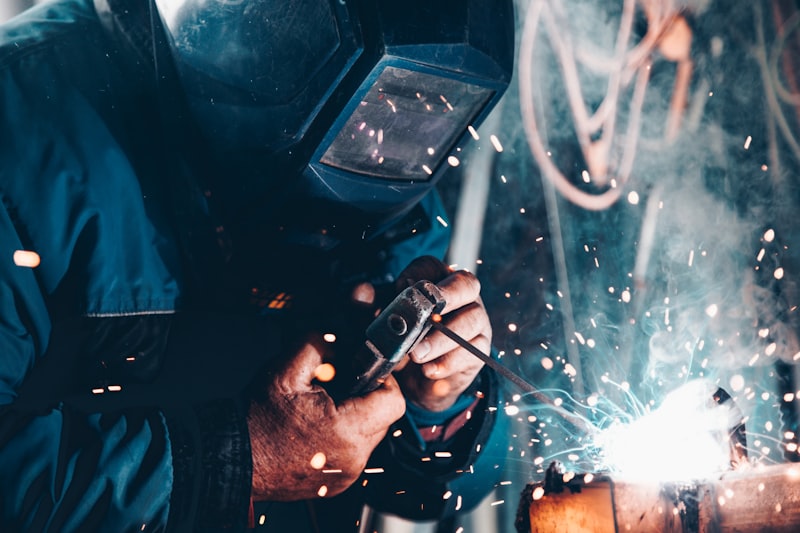
Hot-dip galvanized steel grating installed in offshore platform walkways
Diverse Industrial Applications
Infrastructure and Municipal Engineering
Galvanized steel grating serves critical functions in urban infrastructure, including drainage systems, trench covers, manhole covers, and walkway platforms. Its open-grid design provides excellent drainage (up to 83% open area) while maintaining high load-bearing capacity, making it ideal for roadways, bridges, and pedestrian areas.
Industrial Facilities
In petrochemical plants, power generation facilities, water treatment plants, and manufacturing facilities, galvanized grating provides safe, durable flooring solutions for platforms, catwalks, mezzanines, and stair treads. The material withstands heavy machinery loads, chemical exposure, and extreme environmental conditions.
Marine and Offshore Applications
The harsh marine environment presents extreme corrosion challenges. Hot-dip galvanized grating, with enhanced zinc coatings (minimum 610 g/m²) and serrated surfaces for slip resistance, excels in offshore oil platforms, shipyards, port facilities, and coastal infrastructure.

Construction and installation of galvanized steel structures
Transportation Infrastructure
Airports, railway stations, docks, and transit facilities utilize galvanized grating for walkways, loading platforms, and drainage systems. Its combination of strength, light weight, and corrosion resistance makes it particularly suitable for large-span applications requiring minimal maintenance.
Key Advantages and Benefits
- Superior Corrosion Resistance: Forms stable protective film in pH range 6.0-12.5, providing decades of maintenance-free service
- High Strength-to-Weight Ratio: Robust load-bearing capacity with lightweight structure, simplifying installation and reducing structural support requirements
- Economic Efficiency: Lower initial costs compared to stainless steel, minimal maintenance requirements, and extended service life reduce total lifecycle costs
- Safety Features: Serrated surfaces provide excellent slip resistance; open design ensures proper drainage and reduces ice accumulation
- Ventilation and Lighting: Open grid design allows air circulation, light penetration, and heat dissipation—critical for industrial safety
- Rapid Installation: Pre-fabricated panels install quickly using bolt clamps or welding, reducing construction time and labor costs
Future Prospects and Market Growth

Growing infrastructure demands drive galvanized steel grating market expansion
The global market for hot-dip galvanized steel grating continues to expand, driven by several key factors:
Infrastructure Development
Ongoing urbanization and infrastructure modernization programs worldwide create sustained demand for durable, cost-effective construction materials. Developing economies are investing heavily in transportation networks, utilities, and industrial facilities, all of which require extensive use of galvanized steel products.
Environmental and Energy Sector Growth
The transition to cleaner energy sources has accelerated demand for galvanized grating in several areas:
- Environmental Projects: Wastewater treatment facilities, pollution control systems, and waste management infrastructure
- Natural Gas Infrastructure: As coal-to-gas conversion projects expand globally, distribution networks and processing facilities require corrosion-resistant materials
- Renewable Energy: Solar farms, wind energy facilities, and hydroelectric installations utilize galvanized grating for access platforms and equipment support
Marine and Offshore Development
Expanding maritime trade, offshore energy exploration, and coastal development projects drive demand for specialized heavy-duty galvanized grating capable of withstanding extreme marine conditions.
Industrial Modernization
Steel industry transformation, petrochemical facility upgrades, and manufacturing sector modernization create opportunities for galvanized grating manufacturers. Emphasis on worker safety, environmental compliance, and operational efficiency favors materials that combine durability with low maintenance requirements.
Sustainability and Resource Conservation
Hot-dip galvanizing aligns with sustainable development goals by extending steel product service life, reducing replacement frequency, minimizing maintenance requirements, and conserving natural resources. The zinc coating itself is fully recyclable, and modern galvanizing processes have become increasingly environmentally efficient.
Conclusion
Hot-dip galvanized steel grating represents a proven, cost-effective solution for corrosion protection across diverse industrial applications. Its combination of superior durability, economic efficiency, and technical performance makes it indispensable for modern infrastructure development.
As global economies continue to develop and modernize, the demand for reliable, long-lasting construction materials will only increase. Manufacturers and suppliers in this sector are well-positioned to capitalize on expanding opportunities in environmental protection, energy infrastructure, marine engineering, industrial modernization, and urban development projects.
The future of hot-dip galvanized steel grating is bright, with technological advances in coating processes, quality control, and application engineering continuing to enhance performance and expand potential uses. For industries seeking durable, maintenance-free solutions that support sustainable development goals, hot-dip galvanized steel grating remains the material of choice for decades to come.


